Зображення з Реєстру
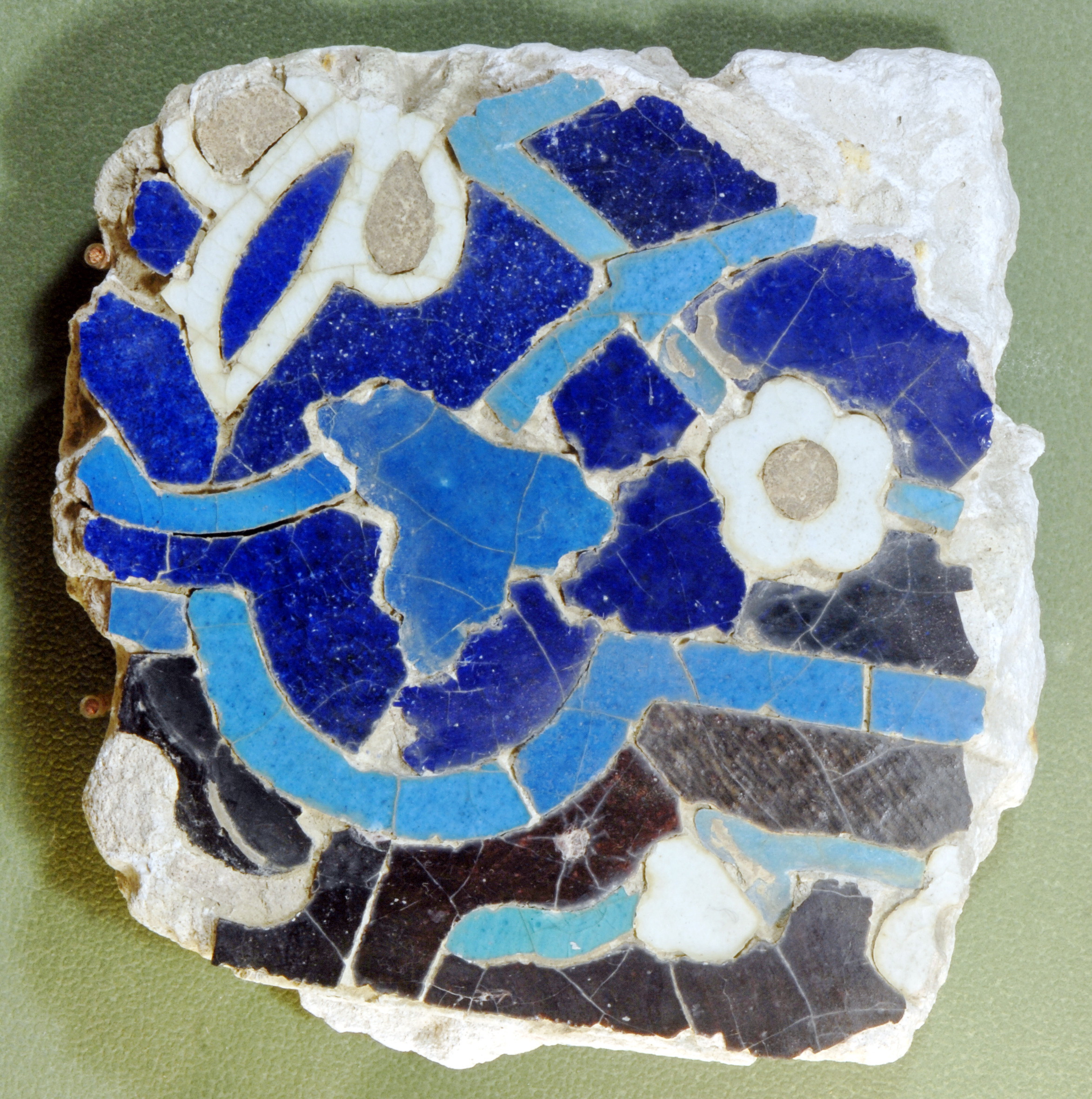
Зображення з КАМІСу
Ідентифікатори
669-БВ МХ
· тип: Інвентарний облік (#2) · статус: Актуально (#1) · від: 2025-01-21
Унікальний ідентифікатор: 270202408281081
Зовнішнє ID: KM-4297
Назви
- Фрагмент стінного облицювання. [uk] · тип: Інвентарна (#5)
Класифікація
Матеріал і техніка
| Матеріал | Техніка |
|---|---|
| полива #574 | полива #381 |
| Кераміка #51 | Різьблення #13 |
Групи зберігання
Мистецтво Близ. СходуОписи
uk
Аналогіi: 1. № 671 БВ/Історія Атрибуціi: 1. Вязьмітіна М.В. (?) Середня Азія, Бухара. Медресе Абдул-Хана, 16 ст. (1588-1590)/Кількість: 1/Історія предмета, легенда: http://dic.academic.ru/dic.nsf/sie/20314/%D0%A8%D0%95%D0%99%D0%91%D0%90%D0%9D%D0%98%D0%94%D0%AB
ШЕЙБАНИДЫ
(Шайбаниды) - узб. мусульм. династия (1500-1598) из дома Чингисхана, потомки Шейбана - пятого (младшего) сына Джуча. Основатель династии - Мухаммед Шейбани-хан (1451-1510), сын Шахбудаг-султана, внук Абулхайр-хана. В 1499 он начал завоевание Мавераннахра и в 1500-01 отвоевал у Тимуридов их столицу Самарканд, основав Шейбанидов государство. Воспользовавшись благоприятной политич. обстановкой, Шейбани-хан установил свою власть над всем Мавераннахром и Хорасаном. В 1508-09 он совершил грабительский поход на казахов, но в 1510 был разбит под Мервом и обезглавлен иранским шахом Исмаилом I Сефевидом. После смерти Кучкуни-хана (1510-30) и кратковременного правления его сына Абусаида (1530-33) главой гос-ва стал Убайдуллах-хан I (1533-39), племянник Шейбани-хана. Ш. считали, что именно они являются законными наследниками Тимуридов, и вели постоянную борьбу с Сефевидами за Хорасан и вторую столицу Тимуридов - Герат. Самым выдающимся государем из Ш. был Абдулла-хан II (1583-98), сын Искандера. Его правление характеризуется значит. усилением ханской власти. Ему удалось создать до известной степени централизованное гос-во и значительно расширить его границы- до пределов, к-рые когда-то завоевал Шейбани-хан. После смерти Абдуллы-хана II (1598) и убийства его сына Абдал-Мумина династия Ш. прекратилась. Пир-Мухаммеду II, последнему Ш., принадлежала лишь небольшая часть гос-ва; в том же году он погиб в междоусобной борьбе. После Ш. к власти в 1599 пришли Джаниды (Аштарханиды) (1599-1753) - новая узб. династия, происходившая от сына Джучи Орды и связанная по женской линии с Ш.
Лит.: Босворт К. Э., Мусульманские династии. Справочник по хронологии и генеалогии, пер. с англ., М., 1971, с. 207-08; Бартольд В. В., Шейбаниды, Соч., т. 2, ч. 2, М., 1964, с. 545-48.
Ш. Ф. Мухамедьяров. Москва./Побутування/творiв такого типу: http://www.flickr.com/photos/loic_brohard/5037466940/
Фото: http://assabur.livejournal.com/193902.html
Abdullah Khan Mosque and Madrasa , Bukhara (Buxoro, Бухоро, بُخارا), Uzbekistan (O‘zbekiston, Ўзбекистон)
In the same district with the Samanid mausoleum and Chashma-iy-Ayub, not far from the park, stands one of the most attractive ensembles, "Kosh-Madrasah", which are typical of Bukhara. The word "Kosh" means "double" and, indeed, these two educational institutions face one another across a narrow street. The first of them is Modari-khan Madrasah that was put up by Abdullakhan II (Abdulla-khan) on his mother's behalf. The date of erection 974 hijra (1566-67) is inscribed with majolica in verse above the entrance. As to composition it is a standard educational institution with a hostel for students and instructors around the courtyard, public halls of the mosque and lecture-rooms - darskhana - along both sides of portal in the interior of the building. The main front is richly faced with multicolor brick mosaic. The second building of Abdullakhan Madrasah was erected in 1588-90 and is an outstanding piece of medieval architecture.
Shaybanid ruler Abdullah Khan II (1556-1598) built the madrasa of Abdullah Khan in 1589-90, as a residential theological school to the southwest of Bukhara's city center (Shahristan). He located the structure immediately opposite his earlier Madar-i Khan Madrasa (b. 1566-67), thus creating another of Bukhara's typical double madrasa ensembles (kush madrasa). Abdullah Khan's madrasa was built during Bukhara's third and last great construction phase when numerous civic structures such as caravanserais, tims (markets), taks (domed market kiosks), hauz (lakes) and khanqahs (hospices). It is noted for its mastery of architectural form, plan and structure at a period of declining trade, political stability and lack of architectural innovation.
Although based on a traditional four-iwan madrasa type, the south-facing Abdullah Khan Madrasa departs from the typical rectangular or polygonal exterior envelope with a staggered west facade and two projections at the center of the north and east facades. The eastern features a turret in its northeastern corner, and the pentagonal projection to the north encloses a central domed chamber. A mosque and classrooms (darshkhana) flank the antechamber of the south-facing pishtaq, in the conventional manner. The chapel mosque, which occupies the madrasa's southeast corner, is independently rotated to face the qibla. This marks a significant development over earlier solutions, such as at the neighboring Madar-i Khan Madrasa where the entire building was rotated to meet the qibla requirement while maintaining an oblique street aligned façade. The Abdullah Khan Madrasa also deviates from the typical courtyard typology lined by standard student cells (hujra); here, narrow passages lead from r
uk
Розміри: 26 х 20
uk
Документи переміщення - Дата документа: 2021-12-25 00:00:00/NAMEDOC: Акт про приймання предметів на МВЗ/Дополнение: експонування в постійній експозиції музею/Дополнение: Корпачова Л.Т./Дополнение: Крамарева О.А.
uk
Закладка “Атрибуція” - Наим. предмета, издания: Фрагмент мозаїчного облицювання/Змiн.додаток до назва (лист, ...): Фрагмент мозаїчного облицювання Медресе Абдулла-хана в Бухарі (1588-1590)Период: доба ШейбанідівНовый материал: поливаИзм. техника: поливаИзм. техника: різьбленняИзм. техника: мозаїкамісце створення, школа: БухараНовый материал: кераміка
uk
Задовільний..,
Персоналії
Колекції
Характеристики
Стан
Розміри
Ціни
Події
| Тип | Місце (uk) | Місце (lat.) | Місце (other) | Дата (text) | Роки | Джерело | Коментар |
|---|---|---|---|---|---|---|---|
| Створення (#1) | Середня Азія,Бухара | XIV ст. | — | — | — |
Gemstones
Дорогоцінні метали
Базові значення
- state: 1 (?? Статус предмета = На постійному зберіганні (#1) ??)
- Службова інформація - підпис (status): Чернетка (#1)
- Класифікація (classification_id): — #—
- Можливість транспортування (is_transportable): 0
- Держреєстр національного культурного надбання (is_registered): 0
- Топографічний шифр (topography_code): вітрина
- Спосіб надходження (acquisition_method): (#)
- Джерело надходження (acquisition_source): З поїздки (в Середню Азію?) 1930 р/от колекції Б.І. та В.Н. Ханенків.
- external_id: KM-4297
- creator_id: 165
- updater_id: 165
- owner_id: 90
- keeper_id: 90
- is_fragment: 0 (?? Фрагмент = 0 ??)
- is_private_images: 0
- storage_location_id: —
- introduction_reason: —
- delete_reason: —