Зображення з Реєстру
Галерея
Зображення з КАМІСу
Галерея
Ідентифікатори
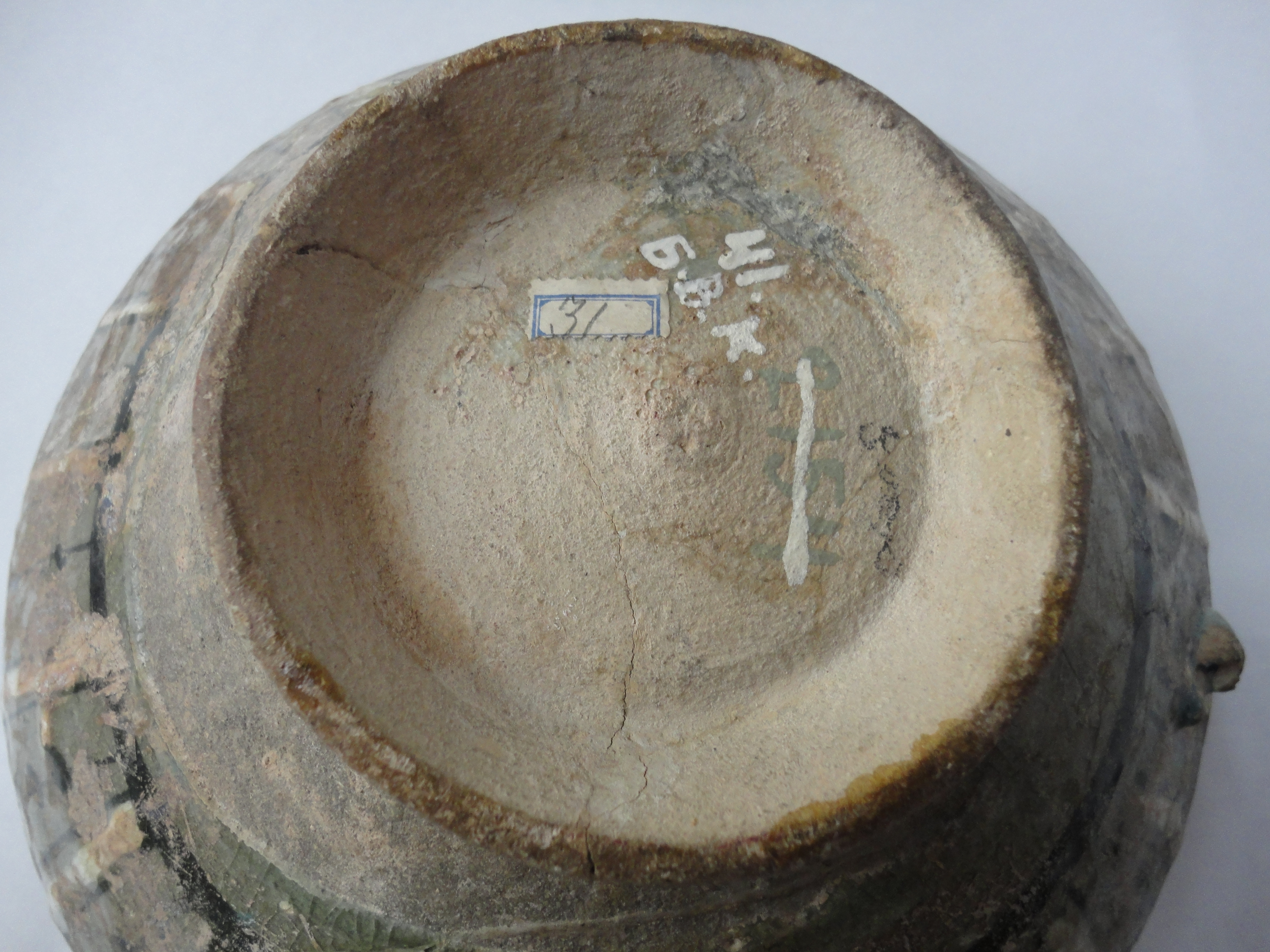
41-БВ МХ
· тип: Інвентарний облік (#2) · статус: Актуально (#1) · від: 2025-01-21
Унікальний ідентифікатор: 329202408281323
Зовнішнє ID: KM-4539
Назви
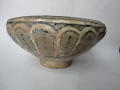
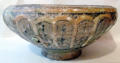
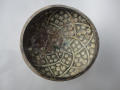
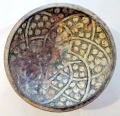
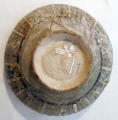
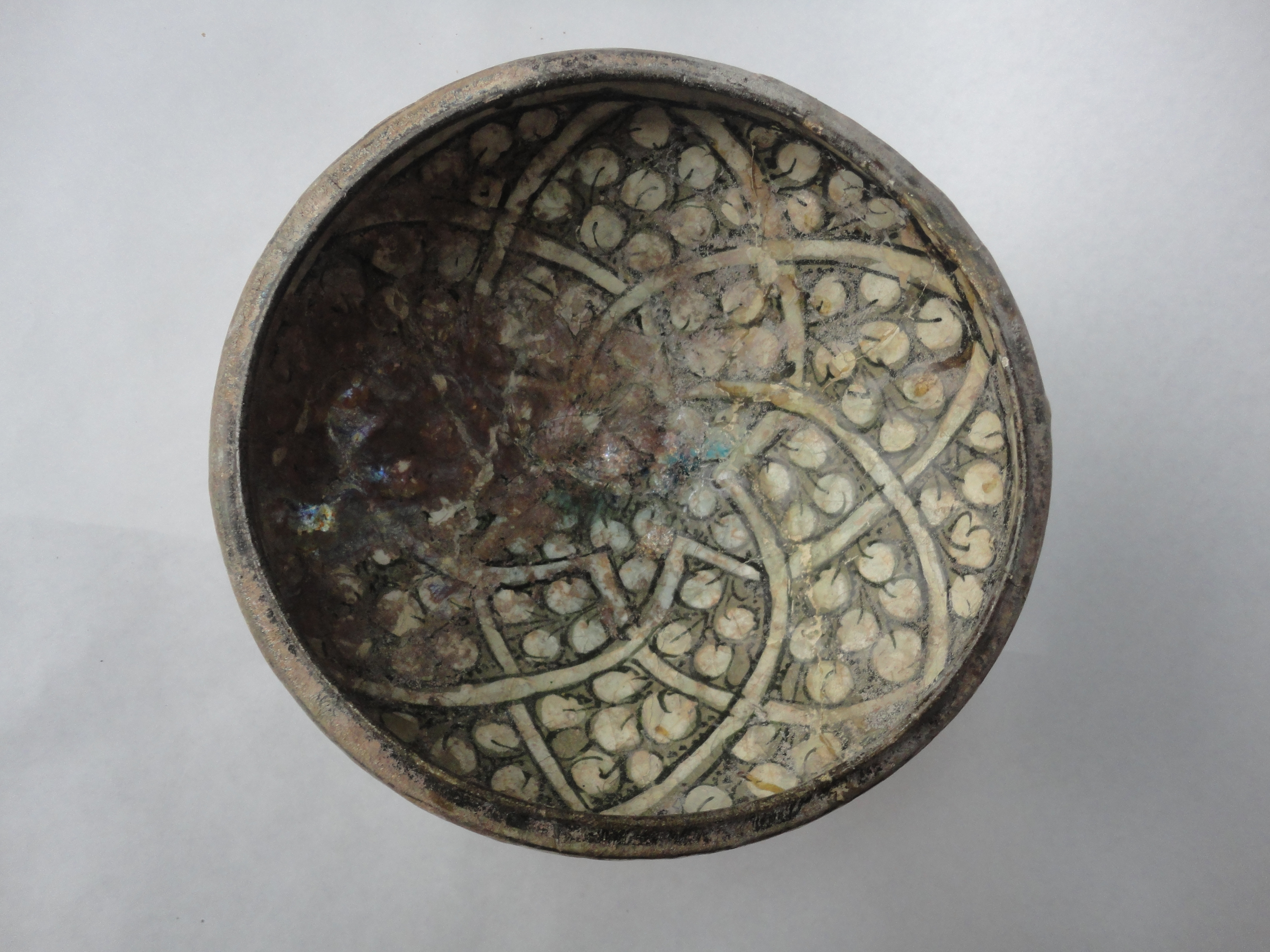
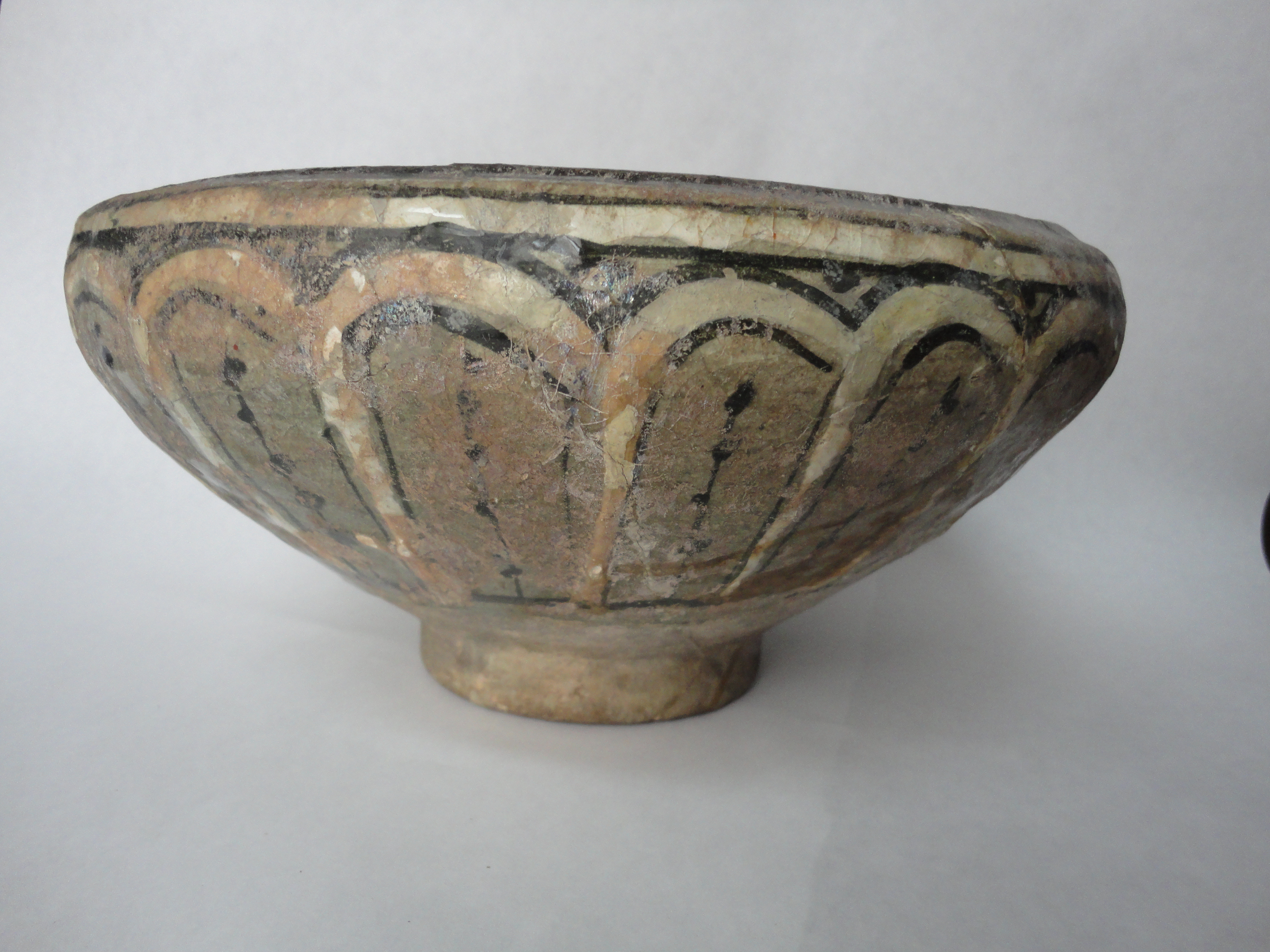
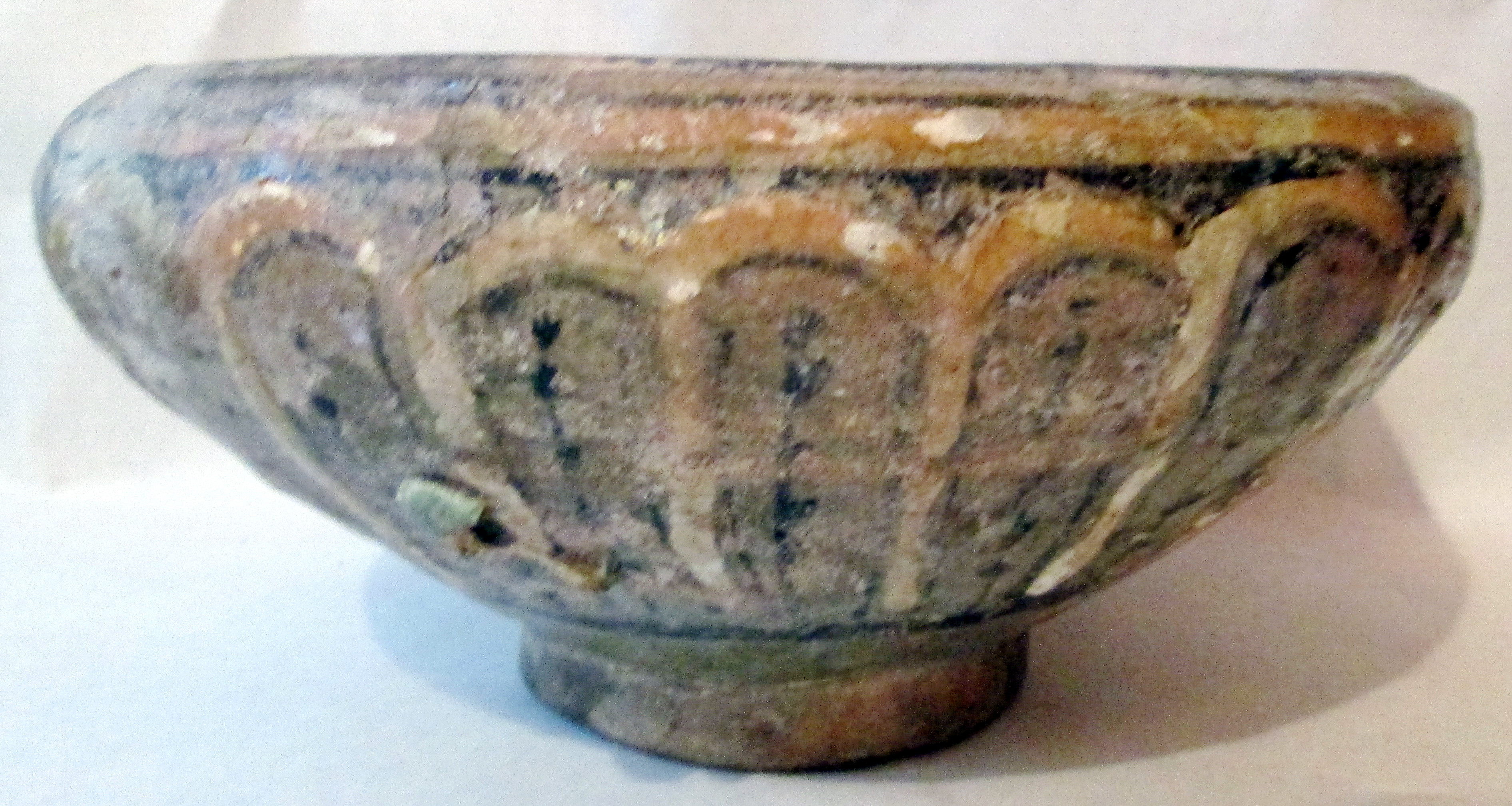
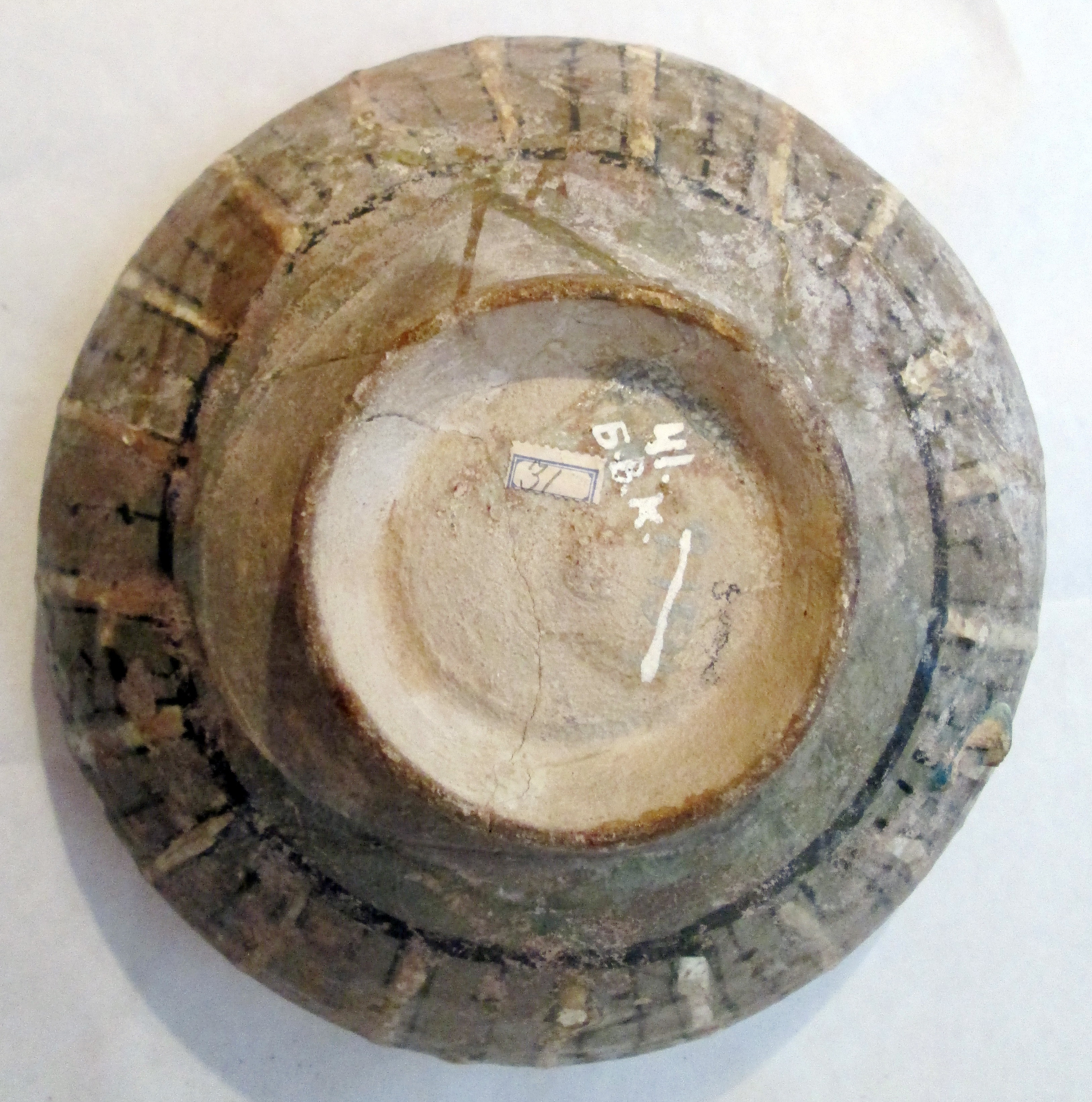
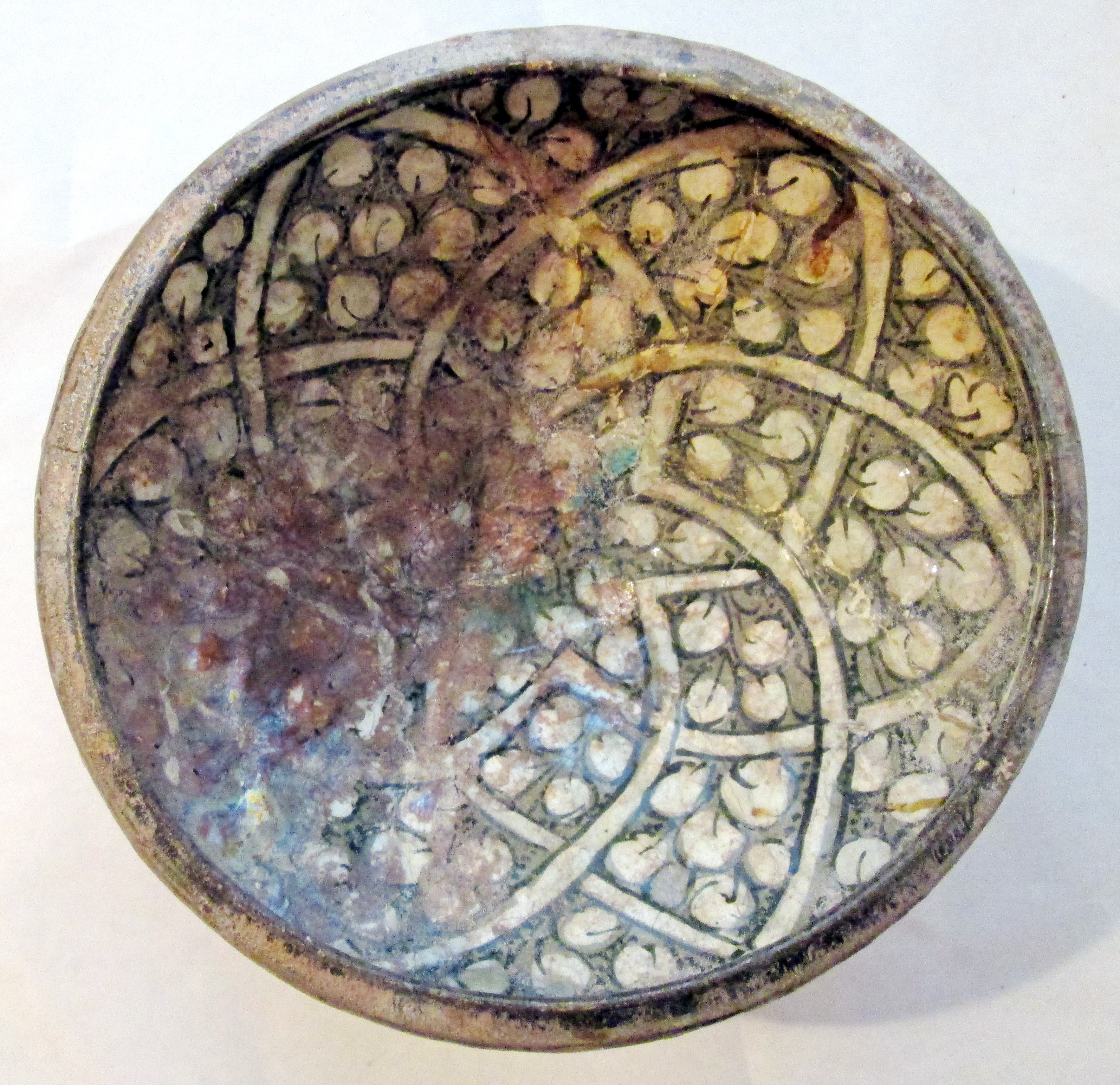
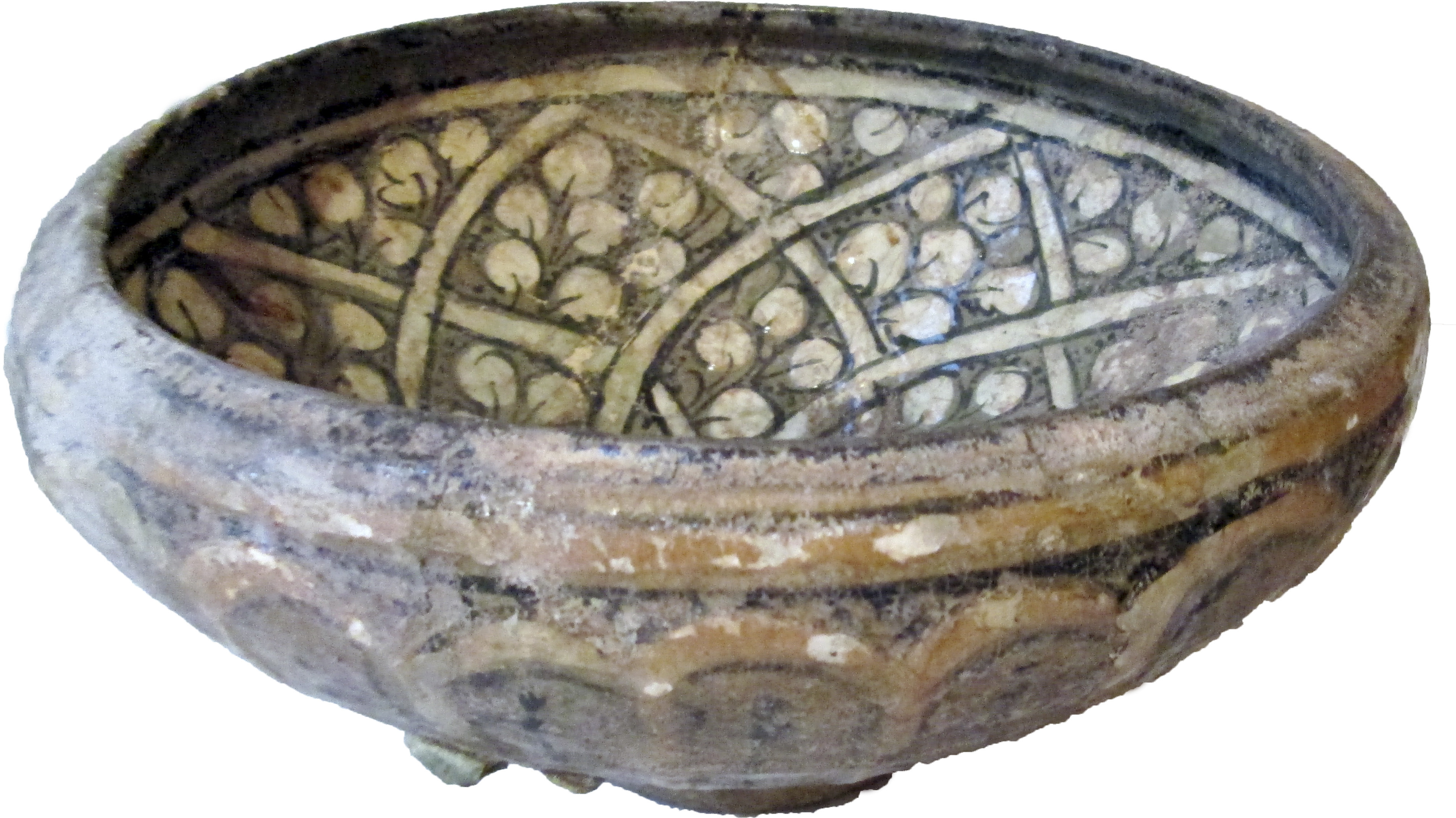
- Ваза низька, широка, з конічними угорі загнутими стінками, на кільцевій ніжці. [uk] · тип: Інвентарна (#5)
Класифікація
Матеріал і техніка
| Матеріал | Техніка |
|---|---|
| кашин (фаянс) #560 | підглазурний поліхромний розпис #429 |
| кашин (фаянс) #560 | полива #381 |
| сірий ангоб #634 | Випал #115 |
Групи зберігання
Мистецтво Близ. СходуОписи
uk
Аналогіi: 1. Форма посудини, кольори розпису, техніка, мотиви тла: the Al-Sabah Collection in Kuwait:
Bowl. Frit body, green-grey slip with decoration in white slip and black under a transparent glaze. Iran, (probably Kashan, Soltanabad ware). Late 13th-14th century. H- 11,6; D – 20. LNS 28C // Oliver Watson. Ceramics from Islamic Lands. Thames and Hudson, 2004. Стор. 385
2. Форма посудини, колорит, мотиви тла: The British museum:
Bowl with two phoenixes. Iran, probably Sultanabad, early 14th c. CE. Fritware, gray-green slip, underglaze painted. Acc.#ME OA G.280
http://depts.washington.edu/silkroad/museums/bm/bmpostmongolceramic.html
3. Форма посудини, колорит розпису, мотиви тла: The Fitzwilliam Museum, Cambridge:
Bowl. Iran, Soltanabad ware. Ilkhanid, late 13th - 14th century. Buff fritware, wheel thrown, coated in a grey slip, painted in thick, raised white slip and blue and black pigment covered in a clear, cracked glaze. H- 10,6; D-18. Acc.#. 73211.
http://www.fitzmuseum.cam.ac.uk/projects/lustreware/gallery/cataloguedetail.html?&priref=73211&_function_=xslt&_limit_=100#5
4. Форма посудини, колорит, мотиви тла: The Victoria and Albert Museum
Bowl. Fritware with underglaze painting. Iran (probably Kashan, Sultanabad ware), 1260-1350. D. – 16,5. Acc.#C.53-1955
http://collections.vam.ac.uk/item/O279500/bowl-unknown/
/Історія Атрибуціi: 1.Крачковская В. "Мус. Искусство...", 1926. Персія, «султанабадська група», 14 ст.
2.Вязьмітіна М. «МКІ», 1930. Персія, Султанабад, 14 ст.
3. Гюзальян Л.Т. (Ерм., 1953). Іран, Султанабад, 14 ст.
4. Стародуб Т.Х («Изд-во «Сов.Энциклопедия», 1973) Безусловно-Султанабад, 14 ст.
5. Рудик Г.Б. (НММХ, 2012) Чаша, «султанабадський» тип. Іран, можливо, Кашан. 14 ст.
/Кількість: 1/Побутування/творiв такого типу: This bowl is an example of a type of ceramic that became very popular under the Ilkhanids. It is known as 'Sultanabad ware' after the place it was first found. However, these wares were probably made at Kashan - the main centre of pottery production in Iran before the Mongol invasions of the early 13th century, which continued to operate during the Ilkhanid period (1256-1353).
Its angular shape with a wide rim overhanging both interior and exterior is typical of the time. Such is the decoration in slip painting that covers interior and exterior except for the low foot. Black is used for the outlines of the decoration.
The Mongol invasions created a close link between the Middle East and China as both regions came to be ruled by the Mongol viceroys. In China this was known as the Yuan dynasty. These dynasties maintained close cultural links with each other through trade, by sea and land, along the silk route. This created a flow of many new artistic motifs from China into the Middle East such as the dragon, the phoenix and the lotus blossom.
uk
Розміри: 14,5 х 10,5 х; 27,5
uk
Документи переміщення - Дата документа: 2007-07-19 10:43:54/NAMEDOC: Акт про приймання предметів на МВЗ/Дополнение: передача на матеріально-відповідальне зберігання/Дополнение: Біленко Г.І./Дополнение: Рудик Г.Б.
uk
Документи переміщення - Дата документа: 2022-02-22 00:00:00/NAMEDOC: Акт про приймання предметів на МВЗ/Дополнение: передача на матеріально-відповідальне зберігання/Дополнение: Новікова О.В.
uk
Сдатчик-частное лицо: колекція Б.І. та В.Н. Ханенків.
uk
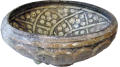
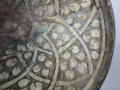
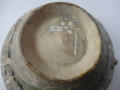
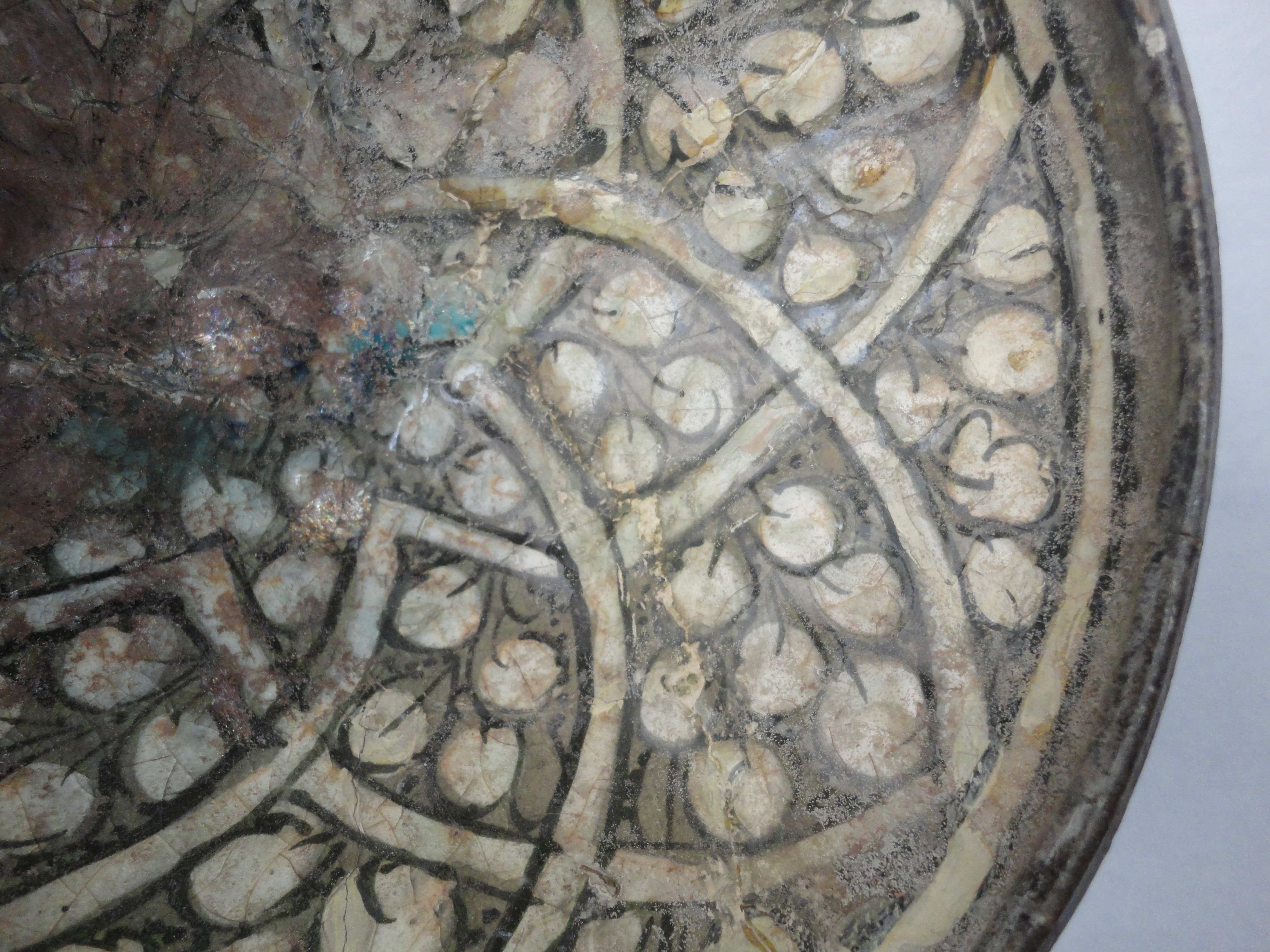
Закладка “Атрибуція” - Наим. предмета, издания: Чаша/Змiн.додаток до назва (лист, ...): Чаша "султанабадського" типу з підглазурним розписом/Змiн.опис: Чаша глибока напівсферичної форми з увігнутим до середини бортом, на кільцевій ніжці. Розписана підглазурно, частковий рельєф. Композиція внутрішньої поверхні центрична: на темно-сірому тлі тонка біла стрічка переплітаючись утворює велику зірку-розетку з шістьма пелюстками. Тло мотиву заповнено невеликими округлими білими рослинними формами (гілки з листям чи квітами) невисокого рельєфу. Контури білих елементів підкреслено зеленкувано-чорними контурами, так само виділено риски гілок. На зовнішній стороні – декор у вигляді вузьких високих арок. Колір маси жовтувато-сірий./Змiн. час створення: XIV ст.місце створення, школа: ймовірно, КашанНовый материал: кашин (фаянс)Новый материал: сірий ангобНовый материал: чорний барвник (сполуки хрому)Новый материал: білий барвникНовый материал: полива свинцеваПериод: доба ІльханідівИзм. техника: підглазурний поліхромний розписИзм. техника: поливаИзм. техника: випал
uk
Склеєна з кількох кусків. Дуже потерта.,
Персоналії
Колекції
Характеристики
Стан
Розміри
Ціни
Події
| Тип | Місце (uk) | Місце (lat.) | Місце (other) | Дата (text) | Роки | Джерело | Коментар |
|---|---|---|---|---|---|---|---|
| Створення (#1) | Іран | — | — | — | — |
Gemstones
Дорогоцінні метали
Базові значення
- state: 1 (?? Статус предмета = На постійному зберіганні (#1) ??)
- Службова інформація - підпис (status): Чернетка (#1)
- Класифікація (classification_id): — #—
- Можливість транспортування (is_transportable): 0
- Держреєстр національного культурного надбання (is_registered): 0
- Топографічний шифр (topography_code): полиця
- Спосіб надходження (acquisition_method): (#)
- Джерело надходження (acquisition_source): з зібрання Б. І. та В. Н. Ханенків
- external_id: KM-4539
- creator_id: 165
- updater_id: 165
- owner_id: 90
- keeper_id: 90
- is_fragment: 0 (?? Фрагмент = 0 ??)
- is_private_images: 0
- storage_location_id: —
- introduction_reason: —
- delete_reason: —