Зображення з Реєстру
Галерея
Зображення з КАМІСу
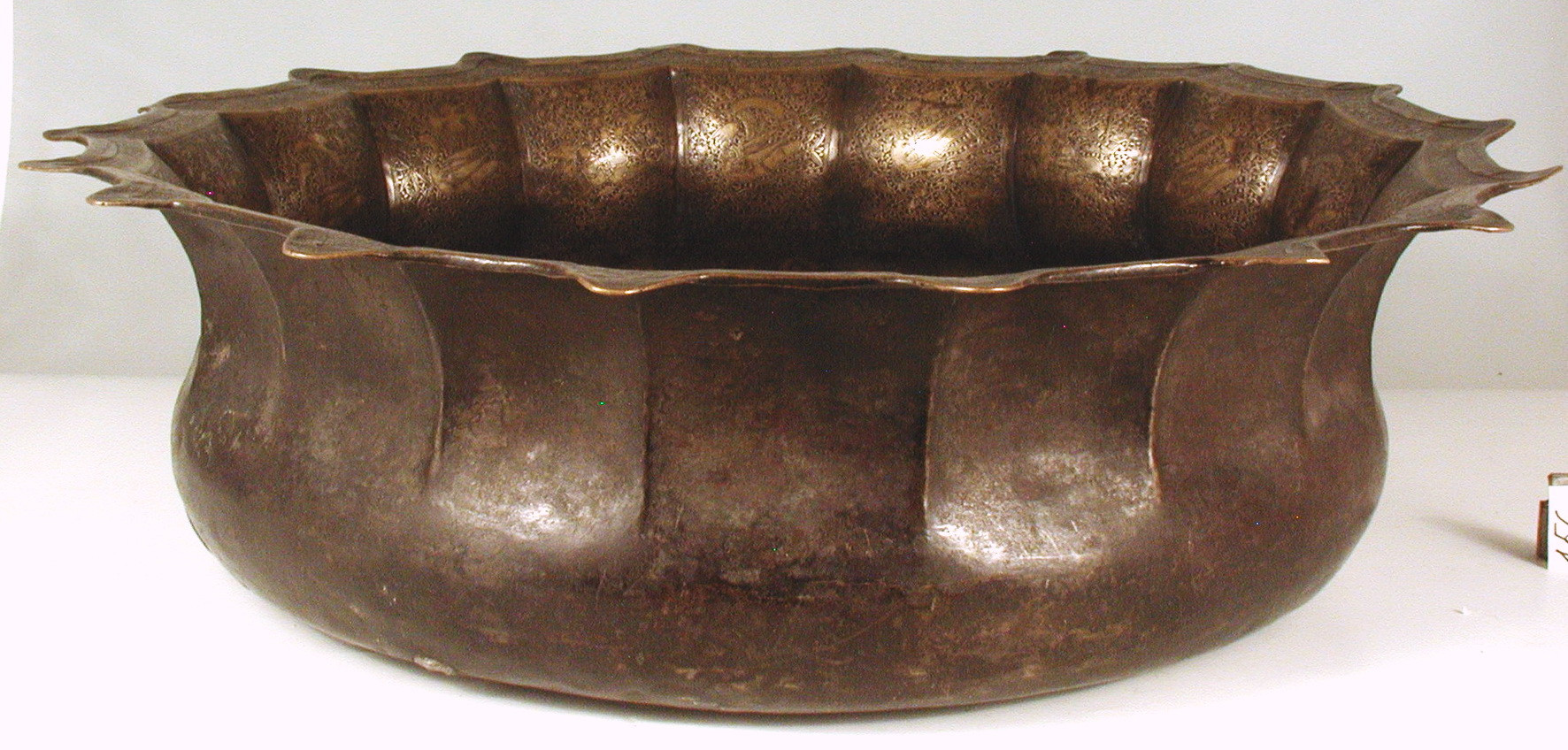
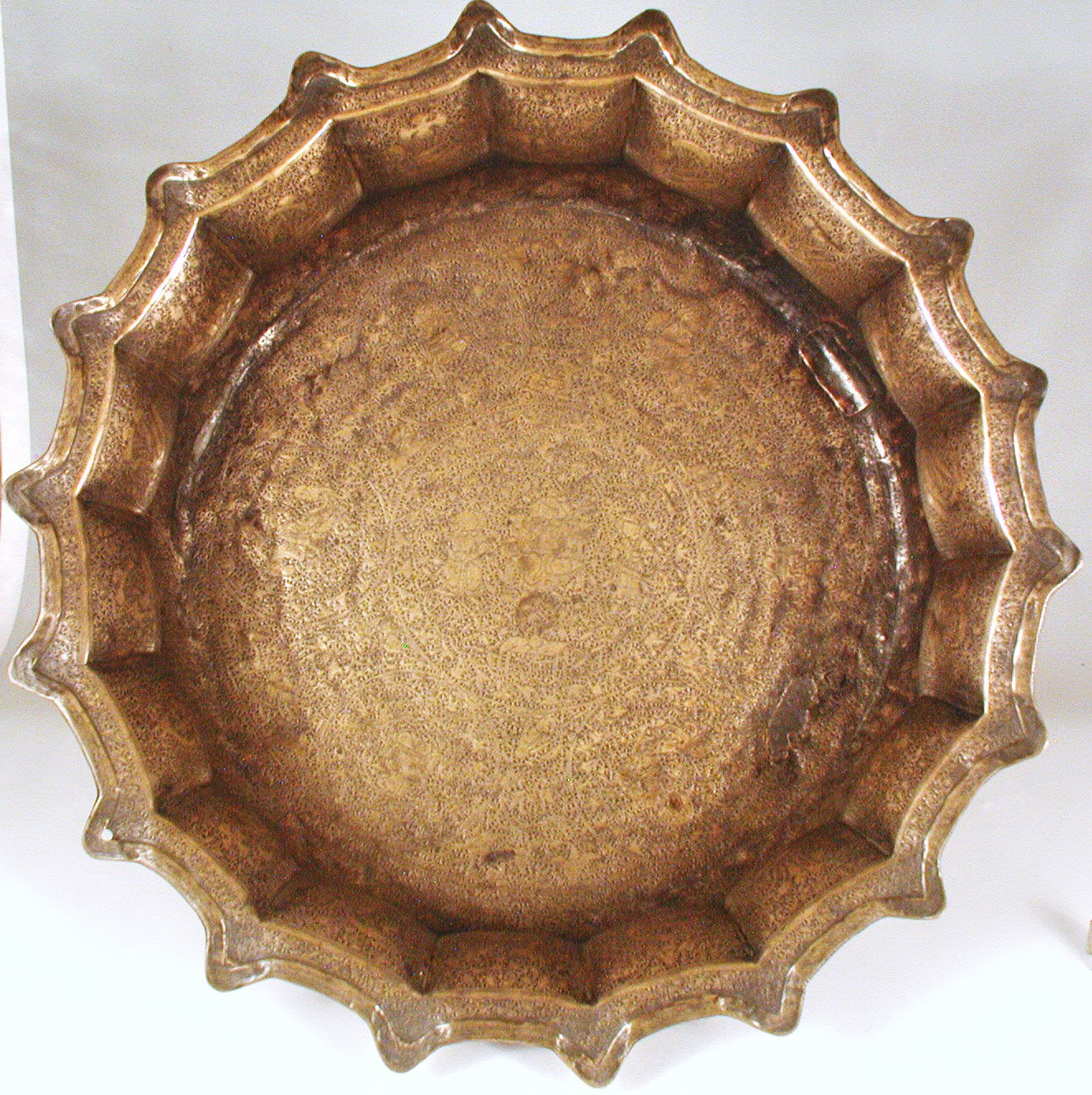
Галерея
Ідентифікатори
156-БВ МХ
· тип: Інвентарний облік (#2) · статус: Актуально (#1) · від: 2025-01-21
Унікальний ідентифікатор: 675202408281594
Зовнішнє ID: KM-4812
Назви
- Таз кований, з пласким дном. [uk] · тип: Інвентарна (#5)
Класифікація
Матеріал і техніка
| Матеріал | Техніка |
|---|---|
| мідь жовта #645 | Кування #73 |
| Мідний сплав #283 | Карбування #71 |
Групи зберігання
Мистецтво Близ. СходуОписи
uk
Аналогіi: 1. Western Iran. Brass inlaid with silver and gold, champlevé engraving. H. 5 1/8 in. (13 cm), Diam. 20 1/2 in. (51.1 cm)
Edward C. Moore Collection, Bequest of Edward C. Moore, 1891 (91.1.521)
http://www.metmuseum.org/toah/works-of-art/91.1.521
/Історія Атрибуціi: 1. Крачковська В. «Мус.искусств…»,1926. Типи облич монгольські. 13 ст.
2. Вязьмітіна М. «МКІ», 1930. Персія, 14 ст.
3. Гюзальян Л.Т. (Ерм., 1953). Іран-Месопотамія, 14 ст.
4. Іванов А.А. (Ерм., 1960) Іран, 14 ст.
5. Кильчевская Э.В. (Москва, 1978). 14-15 вв.
/Кількість: 1/Побутування/творiв такого типу: Large basins for ablution that have a crenellated rim are based on eastern Iranian prototypes of the late twelfth and early thirteenth centuries. The best examples, with lavishly inlaid and detailed decoration such as those shown here, seem to have been limited to the Ilkhanid period. Figural scenes illustrating courtly life under the Ilkhanids, indicated by their Mongol robes and headdresses, are common on these basins. Typically, the interior is lavishly ornamented whereas the exterior walls are plain or simply engraved, thus demonstrating that the decoration was enjoyed mostly when these basins were in use.
Inlaid metalwork was highly prized and costly. The gold and silver inlays (91.1.521) that were gently hammered in the indentations carved in the bronze or brass surface have mostly disappeared, but it is still possible to appreciate the technical and artistic skills of the craftsmen who found inspiration in the new visual language brought by the Mongols. The best artists from Mosul in northern Iraq and Shiraz in southern Iran—two famous centers for metalwork—probably moved to the capital, Tabriz, to work for the court.
Genghis Khan’s grandson Hülegü (died 1265) subdued Iran in 1256 and conquered Baghdad, the capital of the cAbbasid caliphate, in 1258. Hülegü's dynasty—the Ilkhanids, or Lesser Khans—ruled this area, called Greater Iran, until about 1353. After their rapid gain of power in the Muslim world, the Mongol Ilkhanids nominally reported to the Great Khan of the Yuan dynasty in China, and in the process imported Chinese models to better define their tastes. However, the new rulers were greatly impressed by the long-established traditions of Iran, with its prosperous urban centers and thriving economy, and they quickly assimilated the local culture. The Mongol influence on Iranian and Islamic culture gave birth to an extraordinary period in Islamic art that combined well-established traditions with the new visual language transmitted from eastern Asia.
uk
Розміри: 17 х 61 х 40
uk
Документи переміщення - Дата документа: 2021-12-25 00:00:00/NAMEDOC: Акт про приймання предметів на МВЗ/Дополнение: експонування в постійній експозиції музею/Дополнение: Корпачова Л.Т./Дополнение: Крамарева О.А.
uk
Сдатчик-частное лицо: колекція Б.І. та В.Н. Ханенків.
uk
Закладка “Атрибуція” - Наим. предмета, издания: Таз/Змiн. час створення: перша половина 14 ст.місце створення, школа: ІранНовый материал: мідний сплавИзм. техника: куванняИзм. техника: карбуванняИзм. техника: гравіруванняИзм. техника: інкрустація срібломПериод: доба Ільханідів
uk
Тріщині, у кількох місцях латки.,
Персоналії
Колекції
Характеристики
Стан
Розміри
Ціни
Події
| Тип | Місце (uk) | Місце (lat.) | Місце (other) | Дата (text) | Роки | Джерело | Коментар |
|---|---|---|---|---|---|---|---|
| Створення (#1) | Іран | XIV ст. | — | — | — |
Gemstones
Дорогоцінні метали
Базові значення
- state: 1 (?? Статус предмета = На постійному зберіганні (#1) ??)
- Службова інформація - підпис (status): Чернетка (#1)
- Класифікація (classification_id): — #—
- Можливість транспортування (is_transportable): 0
- Держреєстр національного культурного надбання (is_registered): 0
- Топографічний шифр (topography_code): подіум
- Спосіб надходження (acquisition_method): (#)
- Джерело надходження (acquisition_source): з зібрання Б. І. та В. Н. Ханенків
- external_id: KM-4812
- creator_id: 165
- updater_id: 165
- owner_id: 90
- keeper_id: 90
- is_fragment: 0 (?? Фрагмент = 0 ??)
- is_private_images: 0
- storage_location_id: —
- introduction_reason: —
- delete_reason: —