Зображення з Реєстру
Галерея
Зображення з КАМІСу
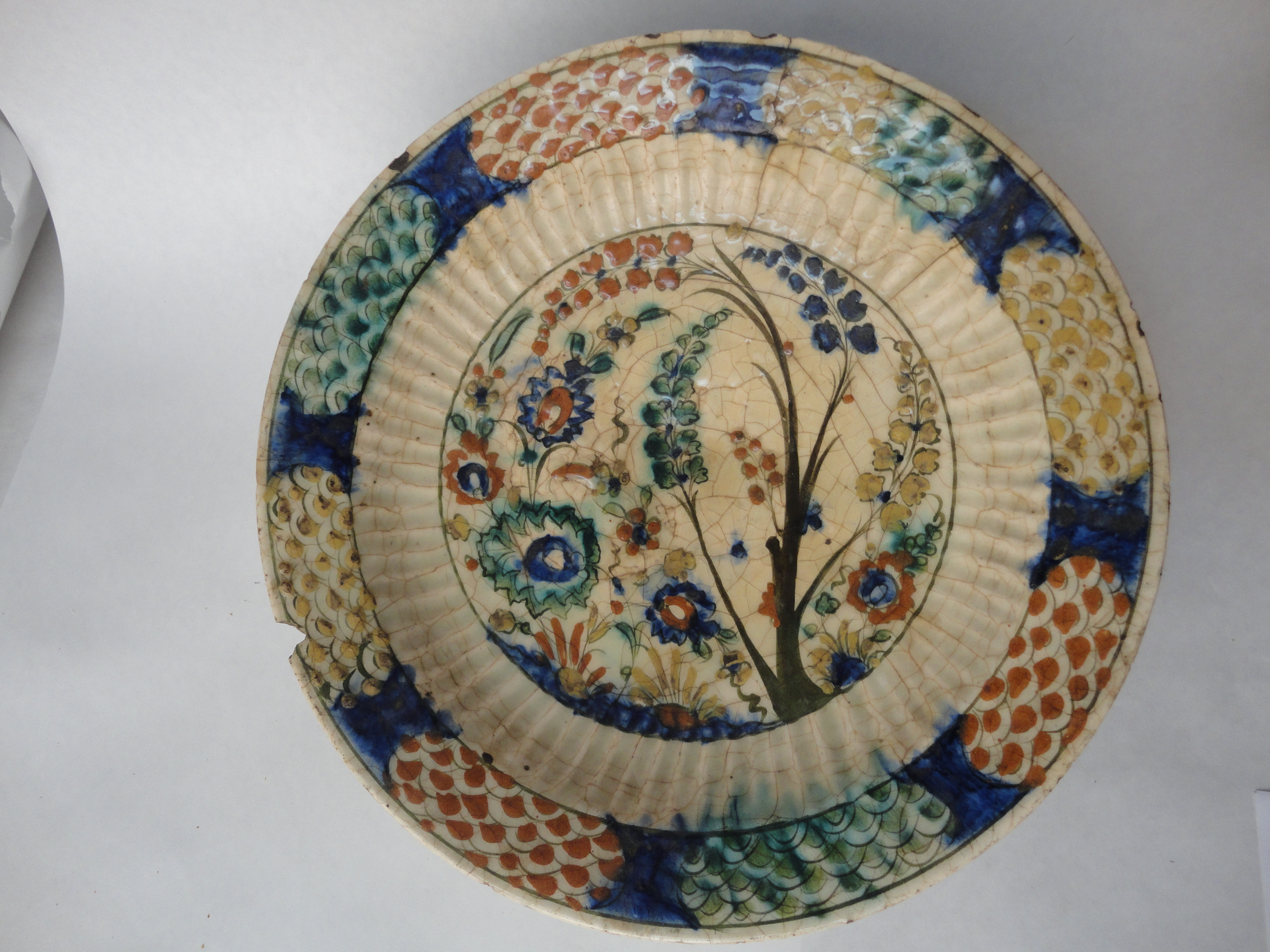
Галерея
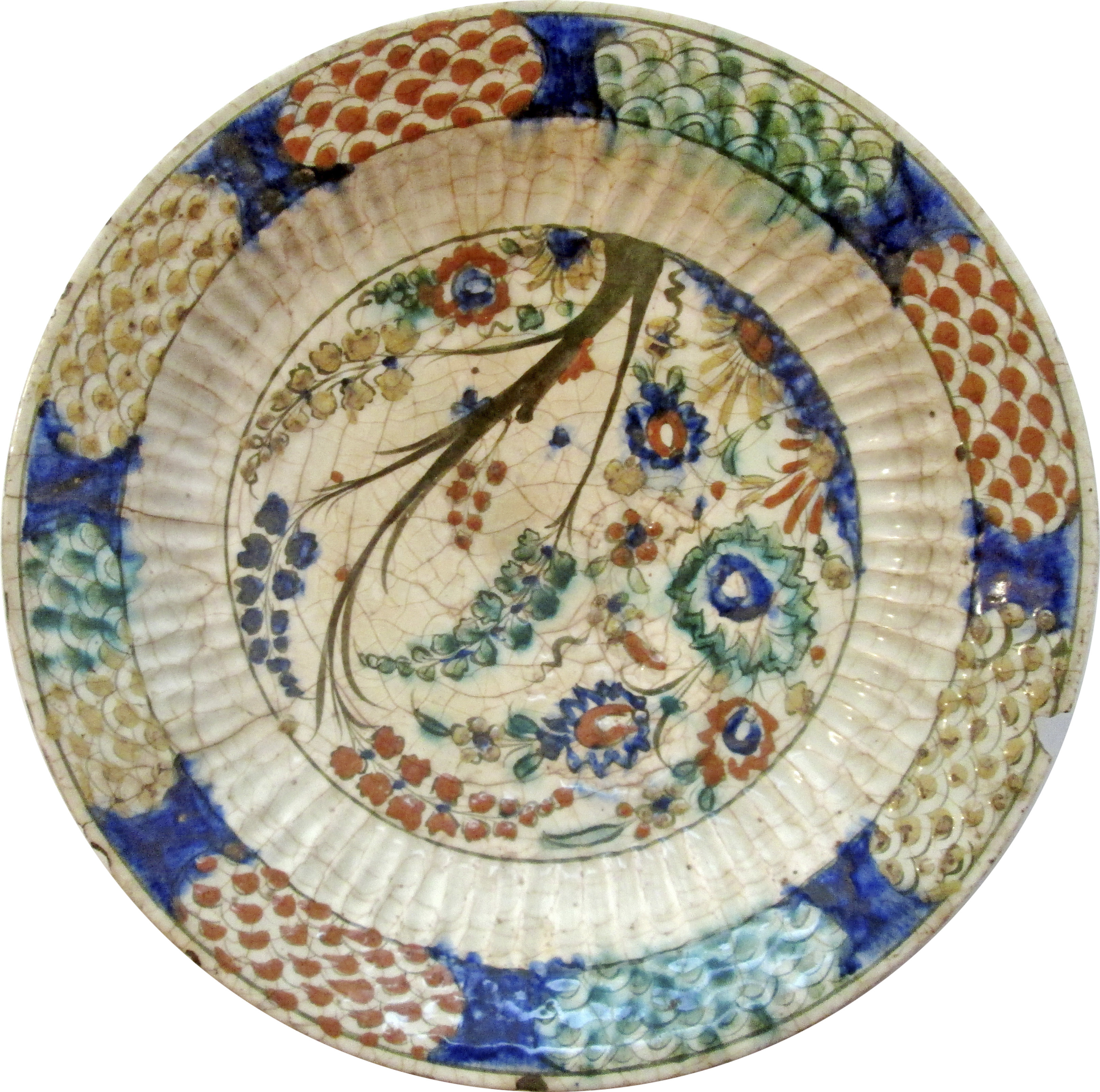
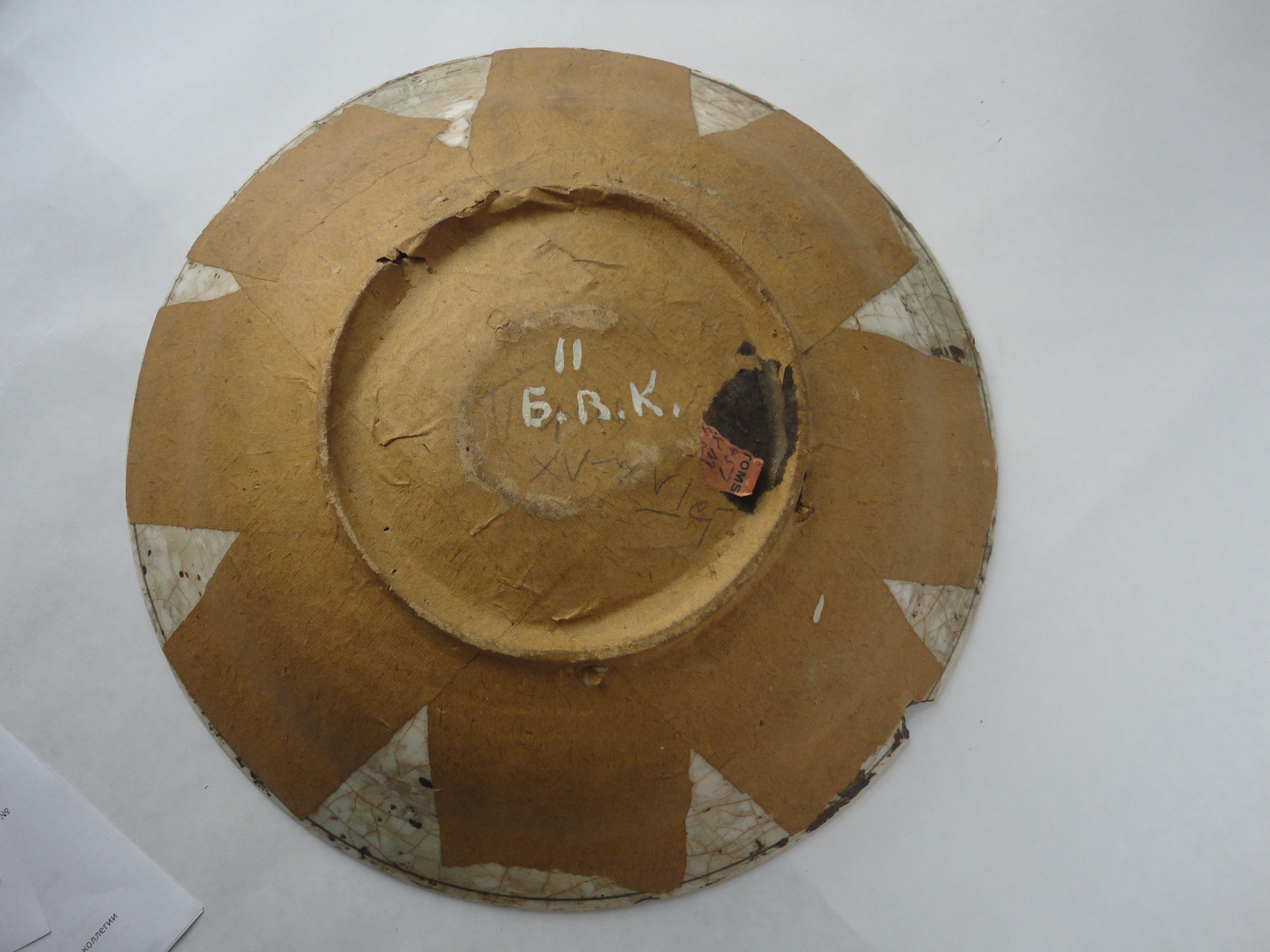
Ідентифікатори
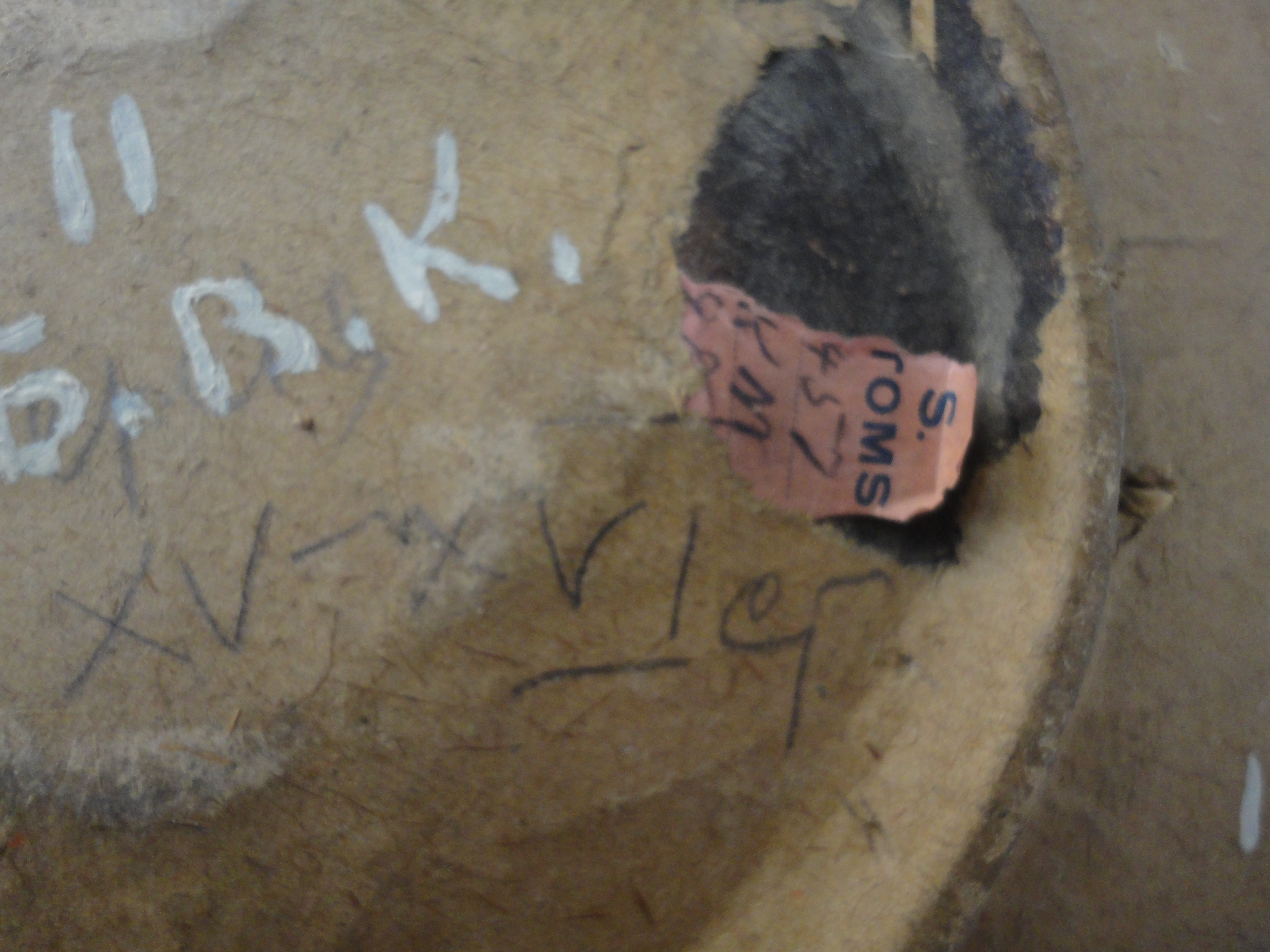
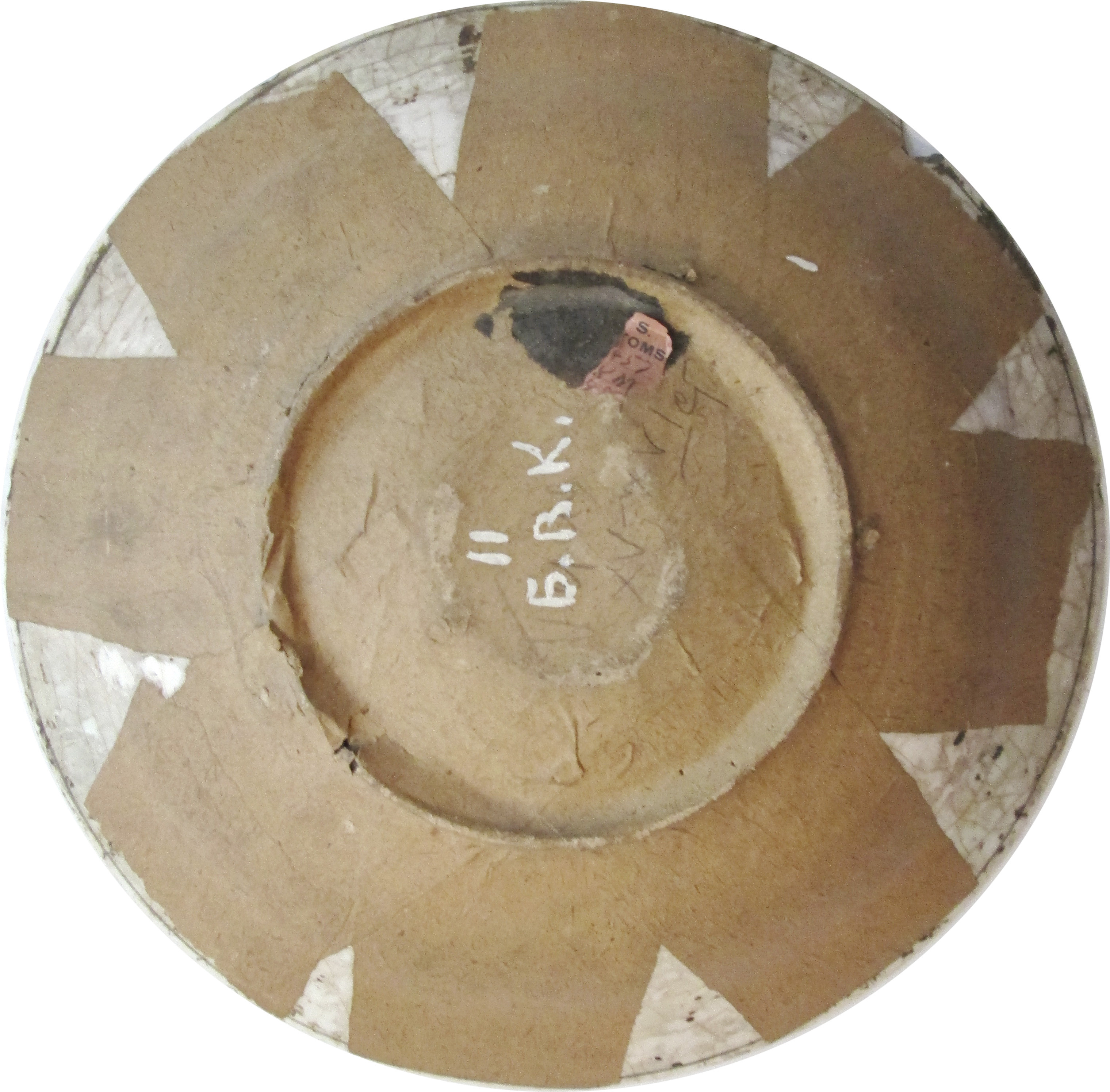
11-БВ МХ
· тип: Інвентарний облік (#2) · статус: Актуально (#1) · від: 2025-01-21
Унікальний ідентифікатор: 481202408281663
Зовнішнє ID: KM-4882
Назви
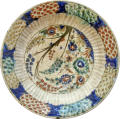
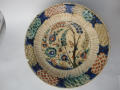
- Тарілка глибока на кільцевій ніжці, з дещо нахиленим бортом [uk] · тип: Інвентарна (#5)
Класифікація
посуд #165
Матеріал і техніка
Групи зберігання
Мистецтво Близ. СходуОписи
uk
Аналогіi: http://islamic-arts.org/2011/smithsonian-museums-ceramic-collection//Кількість: 1/Історія предмета, легенда: Ранние блюда без борта роспись делит на две зоны: центр и периферию. Геометрический центр блюд является и композиционной доминантой. В росписи блюд с отогнутым бортом подчёркивается деление на центральную часть, стенку и край. Часто стенка свободна от росписи и служит композиционной паузой . Поздние изделия, напротив, обычно украшает роспись, общая для стенок и борта, нейтрализующая перелом формы. (Шликова с.48) - можливо, ознака ранішого виробництва тареля.
Изделия, в декоре которых используются изображения S-образно изогнутых деревьев с гроздевидными кронами довольно многочисленны, что позволяет выделить их в отдельную группу. Для росписи этих изделий характерно сочетание подчёркнуто асимметричного построения композиции и уравновешенности, достигнутой сбалансированным распределением изобразительных элементов на плоскости предмета. (Шликова, с. 67)
http://www.iranicaonline.org/articles/ceramics-xv
The motifs and designs are Persian in origin and owe little to Chinese imports (see, e.g., Lane, pp. 79-81, pls. 53B-56)./Побутування/творiв такого типу: Kubachi wares are named after a small village located in the Caucasus in the Daghestan republic of Russia, in which several of them were found in the second half of the twentieth century. Kubachi, however, does not have a history of pottery production; it is more likely that such ceramics were produced in north-western Iran. While Kubachi vessels display a range in decorative schemes, this large dish falls into the group produced in the early seventeenth century under the reign of the Safavid Shah 'Abbas I (r. 1587-1629 CE) (Welch 1973, p. 58). The subject matter - a youth in a spotted blue coat and red turban - represents an idealized portrait commonly depicted on ceramic surfaces and single page compositions during this time. The figure appears against a colourful background of flowers in red, gold, green and dark blue, and the portrait is framed by two circular bands, the outer one being the rim of each plate and including a condensed scallop design.
http://www.cais-soas.com/CAIS/Art/iranian_pottery.htm:
The third, and perhaps the most important group, of these Kubachi wares is the polychromepainted. The designs appear in blue, brownish-red, yellow and green under clear glaze. In the decoration some Ottoman influence, i.e. the influence of Iznik wares is apparent, as is Chinese influence. Portraits of ladies and gentlemen are painted on these dishes against floral or simple scroll backgrounds. Others depict landscapes or just flowers. Apart from large dishes, small bowls, dishes and jugs are also known in these types.
http://jameelcentre.ashmolean.org/collection/6/653/664:
‘Kubachi ware' is a particular type of polychrome ware produced from the second half of the 16th century, possibly in north-western Iran, and named after the village in Dagestan where numerous examples were found in the 19th century. Their use of colour and approach to vegetal decoration indicates some contact with ceramics produced in Turkey in the 16th and 17th century. On the other hand, the figural representations, often in the form of busts, reflect local contemporary painting styles.
The Fortress of the Raven: Karak in the Middle Islamic Period (1100 -1650): сірувато-зелений з явився на кераміці Ізніка в 1540-1560 рр, а на перському посуді "Кубачі" біля 1550 р. (див Lane, 1957, сс.49-50, 79-70)
Object ID: B60P1952
Designation: Dish with turban-clad youth
Дата: 1550-1650
Medium: Fritware with underglaze polychrome decoration
Place of Origin: Northwestern Iran | probably Tabriz
Style or Ware: Kubachi
Credit Line: The Avery Brundage Collection
Label: This turban-clad youth with his long curls, almond-shaped eyes, plump young face, and casual pose recalls the languorous beauties depicted in Safavid miniature paintings from the later sixteenth and seventeenth centuries. As if taking a cue from miniature painting, some types of later Safavid ceramics, like this dish, embrace more colorful palettes and break away from the blue-and-white, black-under-turquoise, and monochrome wares of the fifteenth and sixteenth centuries and earlier.
Iznik ceramics from Ottoman Turkey could provide another possible inspiration for the polychrome palette, especially the thick red. Furthermore, this dish borrows elements of Iznik decorative vocabulary including the composite flowers emanating from leafy tufts of grass and the circular wavelike motifs on the border, which recall the popular Iznik wave-scroll border. This border pattern derives from the borders of the highly prized Chinese Ming dynasty (1368-1644) blue-and-white wares collected at the Ottoman (1299-1922) and Safavid (1501-1722) courts.
Dishes like this one were discovered in Kubachi (in the Caucasus) on the walls of houses. Although they are called Kubachi, these wares were probably made in Tabriz, a city on the nor
uk
Розміри: Д = 35
uk
Документи переміщення - Дата документа: 2007-07-19 10:43:54/NAMEDOC: Акт про приймання предметів на МВЗ/Дополнение: передача на матеріально-відповідальне зберігання/Дополнение: Біленко Г.І./Дополнение: Рудик Г.Б.
uk
Документи переміщення - Дата документа: 2018-02-14 00:00:00/NAMEDOC: Акт про ВМП (повернення)/Дополнение: повернення до фондів музею з експонування на виставці/Выставка: Харизма Ірану/Дополнение: Біленко Г.І./Дополнение: Корпачова Л.Т.
uk
Документи переміщення - Дата документа: 2017-12-08 00:00:00/NAMEDOC: Акт про ВМП (видача)/Дополнение: експонування на виставцi/Выставка: Харизма Ірану/Дополнение: Біленко Г.І./Дополнение: Корпачова Л.Т.
uk
Документи переміщення - Дата документа: 2022-02-22 00:00:00/NAMEDOC: Акт про приймання предметів на МВЗ/Дополнение: передача на матеріально-відповідальне зберігання/Дополнение: Новікова О.В.
uk
Виставки: Харизма Ірану
uk
Сдатчик-частное лицо: колекція Б.І. та В.Н. Ханенків.
uk
Багато тріщин. Тарілка підклеєна папером.,
uk
Використані матеріали та техніки: кашин (фаянс)
Персоналії
Колекції
Характеристики
Стан
Розміри
Ціни
Події
| Тип | Місце (uk) | Місце (lat.) | Місце (other) | Дата (text) | Роки | Джерело | Коментар |
|---|---|---|---|---|---|---|---|
| Створення (#1) | Туреччина | Туреччина(?) | XV-XVI ст. | — | — | — |
Gemstones
Дорогоцінні метали
Базові значення
- state: 1 (?? Статус предмета = На постійному зберіганні (#1) ??)
- Службова інформація - підпис (status): Чернетка (#1)
- Класифікація (classification_id): посуд #165
- Можливість транспортування (is_transportable): 0
- Держреєстр національного культурного надбання (is_registered): 0
- Топографічний шифр (topography_code): полиця
- Спосіб надходження (acquisition_method): (#)
- Джерело надходження (acquisition_source): з зібрання Б. І. та В. Н. Ханенків
- external_id: KM-4882
- creator_id: 165
- updater_id: 165
- owner_id: 90
- keeper_id: 90
- is_fragment: 0 (?? Фрагмент = 0 ??)
- is_private_images: 0
- storage_location_id: —
- introduction_reason: —
- delete_reason: —